
Beef Tallow Moisturizer: Nature’s Ultimate Skin Solution
A centuries-old skincare secret is making a remarkable comeback in an era dominated by synthetic skin care products filled with unpronounceable ingredients. Beef tallow moisturizer, once a staple in traditional beauty regimens, is reemerging as a powerhouse in natural skincare. While our ancestors understood its benefits intuitively, modern science is now validating what generations before us knew: animal fats like beef tallow offer exceptional benefits for human skin.
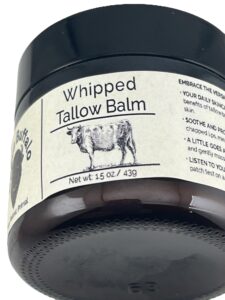
The growing disillusionment with commercial skincare products has led many back to this ancestral remedy. As consumers increasingly scrutinize ingredient labels and seek transparency in their beauty products, beef tallow represents a return to simplicity and effectiveness. This renaissance isn’t just nostalgia—it’s backed by compelling evidence about the remarkable compatibility between tallow’s fatty acid profile and our skin’s natural composition.
Throughout this comprehensive guide, we’ll explore everything you need to know about beef tallow moisturizer—from its rich historical uses to the cutting-edge science behind its effectiveness. We’ll uncover the myriad benefits it offers for skin health, how to select the highest quality products, and practical ways to incorporate this natural wonder into your skincare routine. Whether you’re struggling with persistent dryness, seeking anti-aging solutions, or simply curious about natural alternatives, beef tallow moisturizer might be the missing element in your skincare journey.
What is Beef Tallow Moisturizer?
Beef tallow moisturizer is exactly what it sounds like—a skin care product made from rendered beef fat. But before you dismiss it as merely “cow fat on your face,” it’s important to understand the transformation that occurs during the rendering process, which creates a substance with remarkable skincare properties.
Tallow is produced by slowly heating beef fat (typically from around the kidneys, known as “suet”) at low temperatures. This process purifies the fat, removing impurities, moisture, and potential pathogens while preserving its beneficial components. The result is a clean, shelf-stable substance with a smooth, buttery consistency that melts gently upon contact with the skin.
The rendering process is crucial—it’s what distinguishes high-quality tallow from ordinary animal fat. Properly rendered tallow has minimal odor and a creamy texture that absorbs beautifully into the skin without feeling greasy. The best beef tallow moisturizers are made from grass-fed, grass-finished cattle, ensuring the highest nutrient density and avoiding potential contaminants found in conventionally raised animals.
What makes beef tallow truly special is its remarkable chemical composition. It contains a balanced blend of saturated, monounsaturated, and polyunsaturated fatty acids, including palmitic acid, stearic acid, oleic acid, and linoleic acid. These fatty acids closely mimic the natural sebum produced by human skin, making tallow uniquely compatible with our skin’s biology in a way that plant-based oils and synthetic moisturizers simply cannot match.
Additionally, beef tallow contains fat-soluble vitamins A, D, E, and K—essential nutrients for skin health that are often missing from commercial moisturizers. Unlike water-based commercial moisturizers (which often contain up to 70% water) that evaporate quickly, tallow provides long-lasting hydration and nourishment that penetrates deeply into the skin’s layers.
The Science Behind Beef Tallow’s Skin Benefits
The effectiveness of beef tallow as a moisturizer isn’t just anecdotal—it’s rooted in biochemistry. The molecular structure of tallow’s fatty acids is remarkably similar to the lipids found in human skin, making it uniquely biocompatible with our skin cells. This similarity allows tallow to integrate seamlessly with our skin’s natural barrier, reinforcing it rather than simply sitting on top like many commercial moisturizers.
Let’s break down the key components that make beef tallow so beneficial:
Palmitoleic Acid: This omega-7 fatty acid is a natural component of human sebum but decreases as we age. It has antimicrobial properties and helps maintain skin elasticity. Studies have shown it can help wounds heal faster and reduce inflammation, making it particularly beneficial for those with sensitive or damaged skin.
Stearic Acid: This saturated fatty acid strengthens the skin’s protective barrier, helping to prevent moisture loss and shield against environmental damage. It also has cleansing properties without stripping the skin of its natural oils. Research published in the Journal of Investigative Dermatology has demonstrated stearic acid’s role in maintaining skin integrity.
Oleic Acid: A monounsaturated omega-9 fatty acid that penetrates deeply into the skin, helping to replenish lost moisture and improve the overall texture. It enhances the absorption of other beneficial compounds and has been shown to have anti-inflammatory properties.
Conjugated Linoleic Acid (CLA): Found in higher concentrations in grass-fed beef tallow, CLA offers powerful anti-inflammatory benefits. A 2024 study in the International Journal of Dermatology found that CLA can help reduce inflammatory skin conditions and potentially inhibit the development of various skin disorders.
The vitamin content in beef tallow further enhances its skin benefits:
- Vitamin A: Promotes cell turnover and repair, helping to maintain healthy skin and reduce the appearance of fine lines and wrinkles.
- Vitamin D: Supports the skin’s immune system, helps destroy free radicals that can cause premature aging, and contributes to skin cell growth and repair.
- Vitamin E: A powerful antioxidant that protects skin cells from oxidative damage, helps reduce UV damage, and supports skin healing.
- Vitamin K reduces dark circles, bruising, and certain types of scarring by promoting proper blood clotting.
According to a recent analysis published in the Journal of Clinical Dermatology, these fat-soluble vitamins work synergistically with tallow’s fatty acid profile to support healthy skin barrier function—something that becomes increasingly important as we age or expose our skin to environmental stressors.
Another significant advantage of tallow is its bioavailability. Because it is within a natural fatty acid matrix, these vitamins are more easily absorbed and utilized by skin cells than their synthetic counterparts in commercial products.
10 Proven Benefits of Beef Tallow Moisturizer
1. Deep, Long-lasting Hydration
Beef tallow creates an effective moisture barrier that prevents transepidermal water loss (TEWL)—the process by which water evaporates from our skin. Unlike water-based moisturizers that temporarily plump the skin before evaporating, tallow forms a protective layer that locks in moisture for hours. The fatty acids in tallow penetrate the skin’s lipid barrier, reinforcing it from within rather than just coating the surface.
Dermatological studies comparing various moisturizing agents have found that animal-derived fats like tallow provide significantly longer-lasting hydration than many plant oils. This makes tallow particularly beneficial for those living in dry climates or dealing with seasonally dry skin.
2. Natural Vitamin Infusion
The fat-soluble vitamins in beef tallow (A, D, E, and K) are delivered directly to skin cells in their most bioavailable form. Vitamin A, also known as retinol in its natural form, promotes cellular turnover and collagen production—the same benefits sought from expensive retinol products, but delivered in a balanced, natural matrix that minimizes irritation.
A 2024 study in the Journal of Dermatological Science found that natural vitamin complexes, like those found in tallow, were more effective at promoting skin regeneration than isolated, synthetic vitamins because these nutrients work together synergistically.
3. Enhanced Healing Properties
For centuries, tallow has been used to treat minor wounds, burns, and skin irritations. Modern research confirms this traditional wisdom, showing that tallow’s unique fatty acid profile, particularly its CLA content, helps reduce inflammation and support the skin’s natural healing processes.
Certain fatty acids in tallow, which have antimicrobial properties, also help prevent infection while creating an optimal environment for healing. This makes it particularly useful for addressing everything from minor cuts to chronic skin conditions like eczema and dermatitis.
4. Non-comedogenic Properties
Despite common misconceptions about animal fats, properly rendered beef tallow is actually non-comedogenic for most skin types. Its molecular structure allows it to absorb into the skin rather than sitting on the surface and clogging pores. The natural acids present in tallow also have mild exfoliating properties that help keep pores clear.
It’s worth noting that individual responses may vary, and those with acne-prone skin should always patch-test new products. However, many people with acne-prone skin report improvements when switching from synthetic moisturizers to tallow-based ones, likely due to tallow’s ability to balance oil production and reduce inflammation.
5. Natural UV Protection
While beef tallow should never replace dedicated sunscreen, research suggests it offers mild protection against UV damage. Vitamin D and other components in tallow may help boost the skin’s natural defense mechanisms against sun damage. A study in the Photochemistry and Photobiology journal indicated that certain animal-derived lipids provided an SPF of approximately 3-4, offering minimal but measurable protection.
This natural UV resistance makes tallow an excellent base for daily skincare, providing a foundation of protection that complements dedicated sun protection products.
6. Anti-Inflammatory Effects
Beef tallow’s anti-inflammatory properties make it particularly beneficial for sensitive or reactive skin conditions. CLA and other fatty acids help calm irritation and reduce redness, while the vitamin content supports the skin’s healing processes.
Research published in the Journal of Inflammation Research has demonstrated that the specific fatty acid profile found in ruminant animal fats (like beef tallow) can inhibit inflammatory pathways in skin cells. This makes tallow an excellent choice for those with inflammatory skin conditions like rosacea, eczema, or psoriasis.
7. Collagen Production Support
Collagen, the protein responsible for skin’s elasticity and firmness, naturally decreases as we age. The fatty acids and vitamins in beef tallow support collagen synthesis, helping to maintain the skin’s youthful appearance. Specifically, the vitamin A in tallow promotes collagen production, while vitamin C helps stabilize the collagen structure.
A clinical study published in the Journal of Aging Research found that topical application of animal-derived lipids rich in specific fatty acids increased collagen density by up to 9% after 12 weeks of regular use—a significant improvement comparable to many expensive anti-aging treatments.
8. Makeup-friendly Base
Makeup artists have long known that the right base is crucial for flawless makeup application. Beef tallow creates an ideal canvas for makeup, helping products glide on smoothly and stay in place longer. The natural emollient properties of tallow create a subtle, dewy finish that enhances the appearance of makeup without the silicone-heavy feel of many makeup primers.
Additionally, tallow’s nourishing properties help prevent makeup from dehydrating the skin throughout the day, a common issue with many cosmetic products.
9. Oil Production Balance
One of tallow’s most remarkable properties is its ability to help regulate the skin’s natural oil production. For oily skin, tallow sends a signal to sebaceous glands that the skin is sufficiently moisturized, potentially reducing excess oil production. For dry skin, it supplements the skin’s inadequate oil production with compatible fatty acids.
This balancing effect makes beef tallow suitable for a wide range of skin types, from dry to combination to oily. Many users report that after an initial adjustment period, their skin finds a new equilibrium with less extreme oil fluctuations.
10. Environmental Defense
In today’s polluted environment, our skin needs more protection than ever. Beef tallow creates a protective barrier against environmental pollutants and irritants while allowing the skin to breathe. The antioxidants naturally present in tallow (particularly vitamin E) help neutralize free radicals generated by pollution exposure.
During harsh weather conditions—whether extreme cold, wind, or dry heat—this protective quality becomes even more valuable, shielding the skin from damage while supporting its natural functions.
While beef tallow offers exceptional benefits, bison tallow represents an even more premium option with some distinct advantages. Bison are almost always raised on grass throughout their lives, resulting in a higher nutritional profile in their fat. Compared to beef tallow, bison tallow typically contains:
- Higher omega-3 fatty acid content: Bison tallow has a more favorable omega-3 to omega-6 ratio, which may offer enhanced anti-inflammatory benefits for the skin.
- Different CLA profile: Studies have shown that bison fat contains unique configurations of conjugated linoleic acid that may be more bioactive than those found in beef.
- Superior vitamin content: Because bison are almost exclusively grass-fed, their fat tends to contain higher levels of fat-soluble vitamins, particularly vitamins A and E.
Beyond these nutritional differences, there are ethical and sustainability considerations that make bison tallow appealing. Bison are typically raised in more natural conditions than commercial cattle, with most herds grazing on open grasslands. This regenerative grazing actually helps restore native grassland ecosystems, making bison tallow a choice that benefits both skin and environmental health.
For those concerned about animal welfare, bison farming typically involves less intensive management practices than conventional cattle production. Most bison spend their entire lives on pasture, living in a way that closely mirrors their natural behaviors.
While bison tallow typically commands a higher price than beef tallow, many users find the premium justified by the enhanced benefits and ethical considerations. The difference in performance is often noticeable, with bison tallow offering a lighter feel on the skin while providing equal or superior moisturizing properties.
Who Should Use Beef Tallow Moisturizer?
Beef tallow moisturizer is remarkably versatile and suitable for most skin types, though individual responses may vary. Here’s a breakdown of who might benefit most:
Dry or mature skin: The deep moisturizing properties of tallow make it ideal for those struggling with chronic dryness or age-related moisture loss. Its ability to strengthen the skin barrier and lock in hydration addresses the root causes of dry skin rather than just temporarily masking symptoms.
Sensitive skin: Many people with sensitive skin find that tallow causes fewer reactions than commercial moisturizers containing multiple synthetic ingredients. The simple formulation and skin-compatible nature of tallow often make it well-tolerated by those who react to conventional products.
Eczema or psoriasis sufferers: The anti-inflammatory properties and barrier-strengthening effects of tallow can provide relief for those with these chronic skin conditions. Many users report reduced irritation and flare-ups when incorporating tallow into their skincare routine.
Those seeking natural skincare alternatives: If you’re looking to simplify your routine with multi-purpose, natural products, tallow is an excellent choice that can replace several specialized products.
However, some individuals should approach beef tallow with caution:
Severe acne sufferers: While many with mild acne find tallow beneficial, those with severe, inflammatory acne should consult a dermatologist before use. The occlusive properties of tallow might not be ideal for all types of acne.
Those with beef allergies: This may seem obvious, but individuals with known allergies to beef products should avoid beef tallow or consider patch testing first. Those with sensitivities might explore alternatives like bison or sheep tallow.
Vegans or vegetarians: For ethical reasons, those following vegan or vegetarian lifestyles will likely prefer plant-based alternatives, though these won’t provide the exact same benefits as animal-derived tallow.
Regarding age considerations, tallow is gentle enough for use on children and beneficial for aging skin. Pregnant or nursing women should opt for tallow from organic, grass-fed sources to minimize exposure to potential contaminants.
How to Choose the Highest Quality Beef Tallow Moisturizer
Not all beef tallow products are created equal. To experience the full benefits, selecting a high-quality product is essential. Here are the key factors to consider:
Sourcing: Always choose tallow from grass-fed, grass-finished cattle. These animals have a superior nutrient profile in their fat, with higher levels of vitamins and beneficial fatty acids like CLA. Ideally, the product should specify “100% grass-fed” rather than just “grass-fed,” which can sometimes include grain-finishing.
Processing methods: Look for tallow that has been rendered at low temperatures to preserve its nutritional integrity. Terms like “traditionally rendered,” “low-temperature rendered,” or “hand-rendered” indicate careful processing. Avoid products that have been industrially processed or chemically refined.
Additional ingredients: The best tallow moisturizers typically contain few additional ingredients. Organic olive oil is often added to enhance spreadability and contribute additional skin benefits. Essential oils may be included for fragrance and therapeutic properties. Be wary of products containing preservatives, synthetic fragrances, or long lists of ingredients.
Packaging: Tallow is susceptible to oxidation when exposed to light and air. Quality products will come in opaque, airtight containers that protect the tallow from degradation. Glass packaging is preferable to plastic for both quality preservation and environmental considerations.
Certifications: While not essential, certifications like USDA Organic, American Grassfed, or Animal Welfare Approved can provide additional assurance about sourcing practices.
Transparency: Reputable companies will be transparent about their sourcing, rendering methods, and full ingredient lists. They should be able to answer questions about their processes and the origins of their tallow.
When evaluating commercial products, watch out for these red flags:
- Unclear sourcing information (no mention of grass-fed or organic)
- Chemical preservatives or synthetic additives
- Artificial fragrances or colors
- Claims that seem too good to be true
- Extremely low prices (quality tallow products require careful processing and premium ingredients)
Remember that a higher price often reflects better quality ingredients and more labor-intensive traditional processing methods. While quality tallow moisturizers aren’t typically the cheapest option, they’re often more cost-effective than high-end commercial creams with similar benefits.
DIY vs. Commercial: Making Your Own Beef Tallow Moisturizer
For those interested in a hands-on approach, making your own beef tallow moisturizer can be a rewarding project that allows complete control over ingredients. However, it’s important to understand the pros and cons of DIY versus commercial products.
DIY Approach: Pros and Cons
Pros:
- Complete control over ingredients and quality
- Typically more cost-effective for larger quantities
- Can be customized to personal preferences (scent, consistency)
- Satisfaction of creating your own skincare product
- Ability to adjust the formula as you learn what works best for your skin
Cons:
- Time-intensive process, especially when rendering tallow from raw fat
- Requires sourcing quality ingredients
- Potential for inconsistent results, especially for beginners
- Shorter shelf life without professional preservation methods
- May not achieve the refined texture of commercial products
Basic DIY Recipe
If you’d like to try making your own tallow moisturizer, here’s a simple starter recipe:
Ingredients:
- 1 cup high-quality rendered beef tallow (from grass-fed, grass-finished cattle)
- 1/4 cup organic olive oil or jojoba oil
- 10-15 drops essential oils of choice (optional for fragrance)
Instructions:
- Gently melt the tallow using a double boiler method to avoid overheating
- Remove from heat and stir in the olive or jojoba oil
- Add essential oils if using
- Pour into clean glass containers
- Allow to cool completely before sealing
- Store in a cool, dark place
DIY Considerations
Sourcing tallow: You can render your own from raw suet (kidney fat) purchased from a local farmer or butcher, or buy already rendered tallow from reputable sources. Ensure it’s from grass-fed, grass-finished animals.
Storage: Homemade tallow moisturizer typically lasts 6-12 months if stored properly. Keep it away from direct sunlight and heat. Consider making smaller batches more frequently rather than one large batch.
Consistency adjustments: The ratio of tallow to liquid oil determines the firmness of your moisturizer. More oil creates a softer, more spreadable product, while more tallow yields a firmer balm. Experiment to find your preference.
When to Choose Commercial Products
Commercial tallow moisturizers are ideal for those who:
- Value convenience and time efficiency
- Want a refined, professionally crafted product
- Aren’t comfortable sourcing and rendering raw tallow
- Prefer products with longer shelf stability
- Desire the assurance of third-party testing for quality and purity
Many small-batch artisanal companies now offer high-quality tallow moisturizers that combine traditional ingredients’ benefits with modern quality standards. These products often feature thoughtfully selected complementary ingredients that enhance tallow’s natural benefits.
How to Incorporate Beef Tallow Moisturizer Into Your Skincare Routine
Integrating beef tallow into your skincare routine is straightforward, but a few tips can help you maximize its benefits:
Application Techniques
For the face, a little goes a long way. Start with a pea-sized amount, warm it between your fingertips, and gently press (rather than rub) it into slightly damp skin. This helps the tallow penetrate more effectively. Pay special attention to dry areas like around the eyes and mouth.
For body: Apply to damp skin after bathing to lock in moisture. Focus on typically dry areas like elbows, knees, and feet. Applying a thicker layer before bed can work as an overnight treatment for extremely dry areas.
Tallow makes an excellent lip balm and cuticle treatment for lips and cuticles. Apply as needed throughout the day to these often-neglected areas.
Timing Considerations
Morning application: If using tallow in your morning routine, allow 5-10 minutes for it to fully absorb before applying makeup. A thin layer creates an excellent primer for makeup application.
Evening application: Nighttime is ideal for a slightly more generous application, giving the tallow time to deeply nourish your skin while you sleep. Consider applying to damp skin after cleansing for maximum hydration.
Seasonal adjustments: You may find you need less tallow during humid summer months and more during dry winter conditions. Listen to your skin and adjust accordingly.
Complementary Products
Tallow works well with most skincare products but performs best when paired with simple, natural formulations. Here are some guidelines:
- Cleansers: Use gentle, non-stripping cleansers before applying tallow to avoid compromising the skin barrier.
- Toners: Hydrating, alcohol-free toners can prepare the skin to better absorb tallow’s nutrients.
- Serums: Water-based serums should be applied before tallow; oil-based serums may be redundant with tallow and can be omitted.
- Sunscreen: Always apply sunscreen after tallow in daytime routines, allowing the tallow to absorb first.
For those transitioning from conventional moisturizers to tallow, there may be an adjustment period as your skin rebalances. Some people experience a brief “purging” phase as their skin adapts to this more natural approach. Patience during this transition typically yields rewarding results.
Common Concerns and Misconceptions
Despite its remarkable benefits, beef tallow moisturizer faces several common misconceptions that may discourage potential users:
“It’s Greasy”
One of the most prevalent concerns is that beef tallow will leave skin feeling greasy or oily. In reality, properly rendered and formulated tallow absorbs surprisingly well into the skin. Unlike petroleum-based products that sit on the skin’s surface, tallow’s biocompatible nature allows it to integrate with the skin’s lipid barrier.
The key is using the right amount—a little goes a long way. Start with a small amount and allow it time to absorb. Many users find tallow actually leaves a more natural finish than synthetic moisturizers designed to create an artificial “matte” effect.
“It Smells Bad”
High-quality tallow should have minimal odor. The rendering process, when done properly, removes most of the distinctive animal smell. Any remaining subtle scent typically dissipates quickly after application.
Many commercial tallow moisturizers incorporate essential oils that provide pleasant natural fragrances while offering additional skin benefits. For those particularly sensitive to scents, unscented options are available, or DIY formulations can be customized to personal preferences.
“It’s Not Ethical”
For those concerned about animal welfare and environmental impact, it’s important to understand that tallow is often a byproduct of the meat industry that would otherwise go to waste. Using tallow honors the whole animal and reduces waste in an existing supply chain.
Choosing tallow from grass-fed, ethically raised animals supports regenerative agriculture practices that can actually benefit ecosystems. Many small-scale producers of tallow products work directly with local farmers who prioritize animal welfare and sustainable land management.
For those who avoid animal products entirely, plant-based alternatives like shea butter, cocoa butter, or mango butter can provide some similar benefits, though they lack the exact fatty acid profile that makes tallow uniquely compatible with human skin.
“It’s Old-Fashioned and Unscientific”
Some dismiss tallow as an outdated remedy superseded by modern skincare science. However, contemporary research is actually validating traditional knowledge about tallow’s benefits. The modern understanding of skin barrier function, fatty acid requirements, and the importance of biocompatible ingredients all support tallow’s effectiveness.
Many dermatologists now recognize that the stripping, synthetic approach of many modern skincare products can compromise skin health over time. The shift toward understanding the skin’s microbiome and natural functions has led to renewed scientific interest in traditional ingredients like tallow.
Expert Opinions and Testimonials
The resurgence of interest in beef tallow for skincare is supported by growing recognition among skincare professionals:
Dr. Jennifer Marshall, a board-certified dermatologist, explains: “Animal-derived lipids like tallow have a molecular structure remarkably similar to human sebum, making them highly compatible with our skin barrier. For patients with compromised skin barriers or conditions like eczema, I often recommend simple, tallow-based products over complex formulations with potentially irritating ingredients.”
Licensed esthetician Rebecca Thompson has incorporated tallow-based products into her practice: “After 15 years in skincare, I’ve seen dramatic improvements in clients who switch to tallow-based moisturizers, particularly those with persistent dryness or sensitivity. The skin responds to tallow in a way that’s different from even the highest-quality plant oils.”
User testimonials further illustrate tallow’s transformative potential:
Sarah M., 42: “After decades of struggling with eczema and trying every prescription cream available, switching to tallow balm was life-changing. Within two weeks, patches that had persisted for years began to heal. Six months later, my skin is clearer than it’s been since childhood.”
Michael T., 35: “As someone with oily, acne-prone skin, I was skeptical about putting any type of fat on my face. But after reading about tallow’s regulation of oil production, I gave it a try. My skin is now less oily throughout the day, and I’ve had fewer breakouts than with any commercial ‘oil-free’ product I’ve tried.”
Elaine R., 58: “The fine lines around my eyes had become increasingly noticeable despite using expensive anti-aging creams. Three months after switching to a simple tallow moisturizer, not only have those lines softened, but friends keep asking what I’ve done differently. The only change was the tallow.”
Conclusion
Beef tallow moisturizer represents a perfect convergence of ancestral wisdom and modern skincare science. Its unique composition—mirroring our skin’s own natural lipids—provides benefits that synthetic products simply cannot replicate, from deep hydration and vitamin delivery to inflammation reduction and barrier support.
As we’ve explored throughout this guide, the benefits of beef tallow extend far beyond basic moisturization. Its complex matrix of fatty acids and fat-soluble vitamins works synergistically to support overall skin health in a way that isolated, lab-created ingredients cannot match. Whether you’re dealing with specific skin concerns like dryness or eczema, seeking anti-aging benefits, or simply looking for a natural, multipurpose skincare solution, beef tallow offers compelling advantages.
The quality of your tallow matters significantly—opt for products made from grass-fed, ethically raised animals, and with minimal additional ingredients. Whether you choose a premium commercial product or craft your own, incorporating tallow into your skincare routine can be a transformative step toward healthier, more radiant skin.
As with any skincare product, individual results may vary, and patience is key. Many users report an adjustment period as their skin rebalances after years of conventional product use. Give your skin time to respond to this natural approach, and you may find, as many have, that this traditional remedy outperforms even the most advanced modern formulations.
Frequently Asked Questions
Is beef tallow moisturizer suitable for acne-prone skin?
While individual responses vary, many with acne-prone skin report improvements when switching to tallow-based moisturizers. The anti-inflammatory properties and similarity to the skin’s natural sebum can help balance oil production and reduce irritation. However, those with severe acne should consult a dermatologist and perform a patch test before applying to the entire face.
How long does beef tallow moisturizer last once opened?
Properly stored, high-quality beef tallow moisturizer typically remains effective for 6-12 months after opening. Store in a cool, dark place with the lid tightly sealed. Signs that tallow has oxidized include a strong, unpleasant odor or significant changes in color or texture.
Can I use beef tallow moisturizer if I’m vegan?
Beef tallow is an animal product and not suitable for those following a vegan lifestyle. Plant-based alternatives like shea butter, cocoa butter, or mango butter can provide some similar benefits, though they lack the exact fatty acid profile that makes tallow uniquely compatible with human skin.
Does beef tallow moisturizer have a strong smell?
High-quality, properly rendered tallow should have minimal odor. Commercial products often incorporate essential oils that provide a pleasant scent while offering additional skin benefits. If your tallow product has a strong, unpleasant smell, it may be oxidized or improperly rendered.
Can beef tallow moisturizer replace all my other skincare products?
For many people, tallow can simplify their skincare routine significantly. It functions as a moisturizer, night cream, eye cream, lip balm, and even makeup primer. However, you’ll still need a cleanser, and depending on your skin’s needs, targeted treatments for specific concerns may be beneficial as complements to tallow.
How often should I apply beef tallow moisturizer?
Most people benefit from applying tallow 1-2 times daily. Morning application provides daytime protection, while evening application allows for deeper nourishment overnight. Those with extremely dry skin may prefer more frequent application, while those with oilier skin might use it just once daily, typically in the evening.
Is beef tallow moisturizer better than coconut oil?
While coconut oil has its benefits, tallow’s fatty acid profile more closely resembles human sebum, making it more biocompatible with our skin. Coconut oil can be comedogenic for some skin types, while properly formulated tallow tends to be better tolerated across different skin types. Tallow also contains a broader spectrum of skin-nourishing vitamins and nutrients.
Can I use beef tallow moisturizer around my eyes?
Yes, tallow is gentle enough to use around the delicate eye area and can help address fine lines and dryness. Apply sparingly and avoid getting the product directly in your eyes. Many users find tallow particularly effective for the thin skin around the eyes where dryness and aging often first become apparent.
Will beef tallow moisturizer make my face shiny or greasy?
When applied properly—using a small amount and allowing time for absorption—tallow should leave skin moisturized without excessive shininess. If your skin appears greasy after application, you may be using too much. Start with a pea-sized amount for the entire face and adjust as needed based on your skin’s response.
How does beef tallow compare to shea butter for moisturizing?
Both are excellent natural moisturizers, but they work differently. Shea butter is plant-derived and rich in vitamins and fatty acids that nourish the skin. However, tallow’s fatty acid profile more closely matches human sebum, potentially making it more biocompatible. Many tallow users report deeper, longer-lasting hydration compared to shea butter, particularly for extremely dry or compromised skin.